How Casinos Became Kingdoms of Fortune
How Casinos Became Kingdoms of Fortune
From the clandestine backrooms of 17th-century Venice to the dazzling, neon-lit skylines of Las Vegas and Macau, casinos have undergone a remarkable transformation. Once mere dens of illicit gambling, they have evolved into sprawling empires of entertainment, luxury, and immense wealth, justly earning the moniker "kingdoms of fortune." This evolution is a fascinating tale of societal shifts, architectural innovation, economic prowess, and the enduring human desire for thrill and prosperity.
The Genesis: From Secret Salons to Public Houses
The origins of regulated gambling establishments can be traced back to the Ridotto in Venice, established in 1638. Designed to provide a controlled environment for gambling during the Carnival season, it marked an early attempt to legitimize and tax an activity that had long thrived underground. Fast forward to the American West, where saloons and frontier towns served as rudimentary gambling halls, attracting fortune-seekers and outlaws alike. However, these were often unregulated, chaotic, and lacked the grandeur associated with modern casinos.
The pivotal moment arrived in 1931 when Nevada legalized gambling, laying the foundation for what would become Las Vegas, the undisputed capital of the casino world. Initially modest establishments, they soon began to expand, spurred by investment and the post-war economic boom. The visionaries who built these early casinos understood that to attract a broader, more affluent clientele, they needed to offer more than just games of chance.
The Birth of the Integrated Resort: Lure of Luxury and Entertainment
The true metamorphosis of casinos into kingdoms began with the concept of the integrated resort. Visionaries like Bugsy Siegel and later, Kirk Kerkorian and Steve Wynn, realized that gambling alone wasn't enough to sustain massive enterprises. They began incorporating luxury hotels, world-class restaurants, lavish showrooms featuring top entertainers, retail shopping, and convention facilities. This revolutionary approach transformed casinos from mere gambling houses into comprehensive entertainment destinations. Patrons weren't just coming to gamble; they were coming for an entire vacation experience, where every whim could be catered to, regardless of whether they ever placed a bet.
This holistic model diversified revenue streams significantly. While gaming remained the primary draw, non-gaming revenues from hotel rooms, food and beverage, entertainment, and retail often accounted for a substantial portion of profits. This financial stability allowed for even grander expansions and more extravagant offerings, creating a self-reinforcing cycle of growth and luxury.
Economic Engines and Urban Transformation
The economic impact of casinos cannot be overstated. They are massive employers, creating jobs across a wide spectrum, from dealers and security personnel to chefs, entertainers, hoteliers, and marketing professionals. Beyond direct employment, they stimulate local economies through supply chains, tourism, and infrastructure development. Cities like Las Vegas, Reno, and more recently, Macau and Singapore, have been utterly transformed by the casino industry, evolving from barren landscapes or sleepy towns into bustling metropolises that draw millions of tourists annually.
Governments, recognizing the immense tax revenues generated by these establishments, have increasingly embraced and regulated the industry, allowing for controlled expansion. This has led to a global proliferation of gaming resorts, each vying to outdo the other in terms of opulence and scale, further solidifying their status as economic powerhouses.
The Psychology of Play: The Enduring Allure
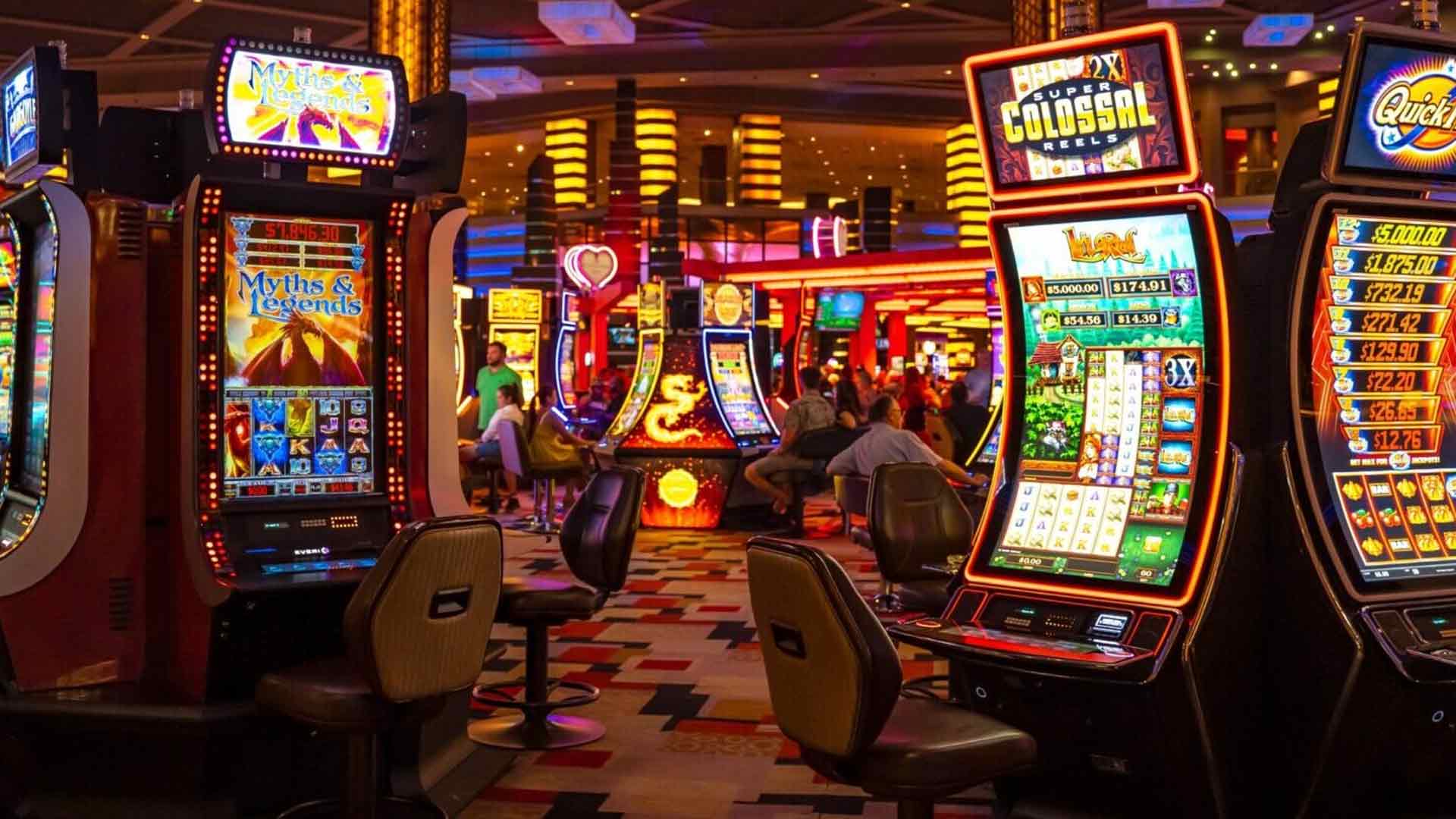
At the heart of every casino lies the enduring human fascination with chance and the dream of striking it rich. The glittering lights, the rhythmic sounds of slot machines, the hushed intensity around a poker table, and the thrill of a roulette wheel all contribute to an atmosphere designed to captivate and excite. Casinos expertly leverage psychology, offering tantalizing possibilities of immense wealth while subtly encouraging continued play. Whether it's the strategic complexities of blackjack, the pure luck of the dice, or the captivating graphics of an m88 slot online, the allure remains timeless, drawing millions into their sophisticated embrace.
The Modern Casino: A Multifaceted Empire
Today's casinos are more sophisticated than ever. They embrace cutting-edge technology, from advanced security systems and cashless gaming options to personalized loyalty programs and intricate data analytics. The rise of online gambling has also presented both a challenge and an opportunity, pushing traditional casinos to innovate further and create unique, immersive experiences that cannot be replicated virtually. Many now focus on becoming "experience" resorts, offering everything from theme park rides and art galleries to elaborate water features and concert venues, appealing to a broader demographic beyond just gamblers.
In conclusion, the journey of casinos from simple gambling dens to opulent kingdoms of fortune is a testament to adaptive business models, strategic investment, and an astute understanding of human desires. They stand as monuments to entertainment and economic ingenuity, continuing to draw millions into their vibrant embrace, forever promising the thrill of chance and the dream of untold riches.